Since writing this, Sri Lanka and particularly some areas we visited have been hit by the devastating effects of Cyclone Ditwah with hundreds of deaths recorded, thousands of homes damaged and many more suffering the after effects of the floods. If you wish to support the ongoing relief efforts – here is a list of vetted organisations where donations can be made.
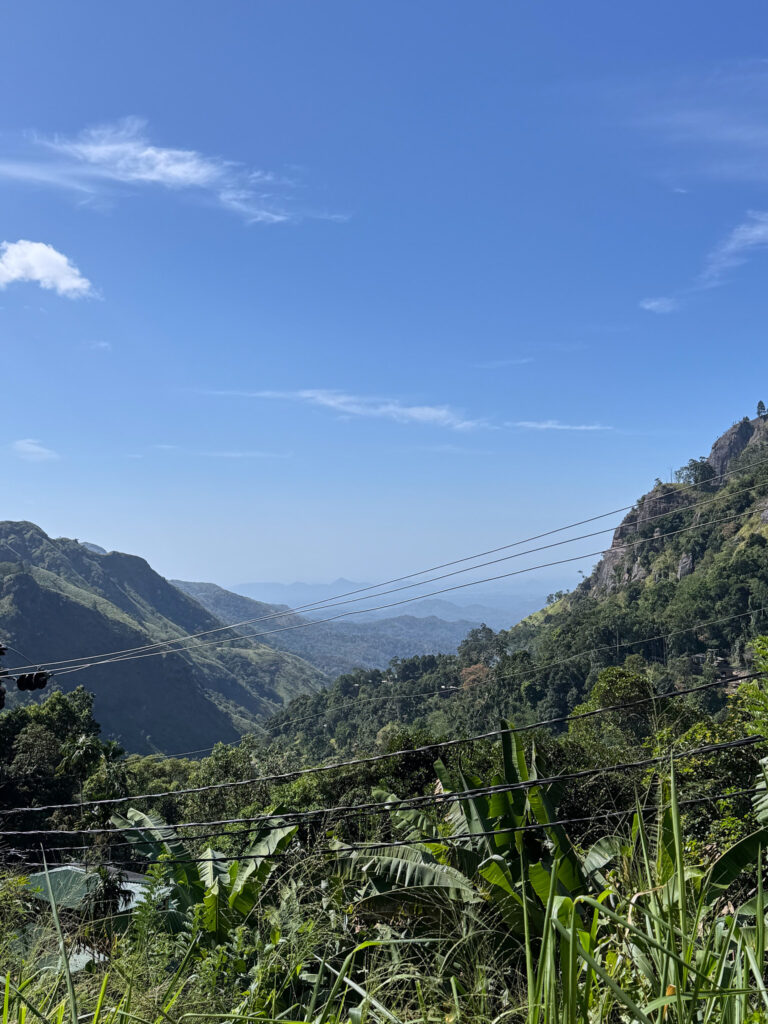
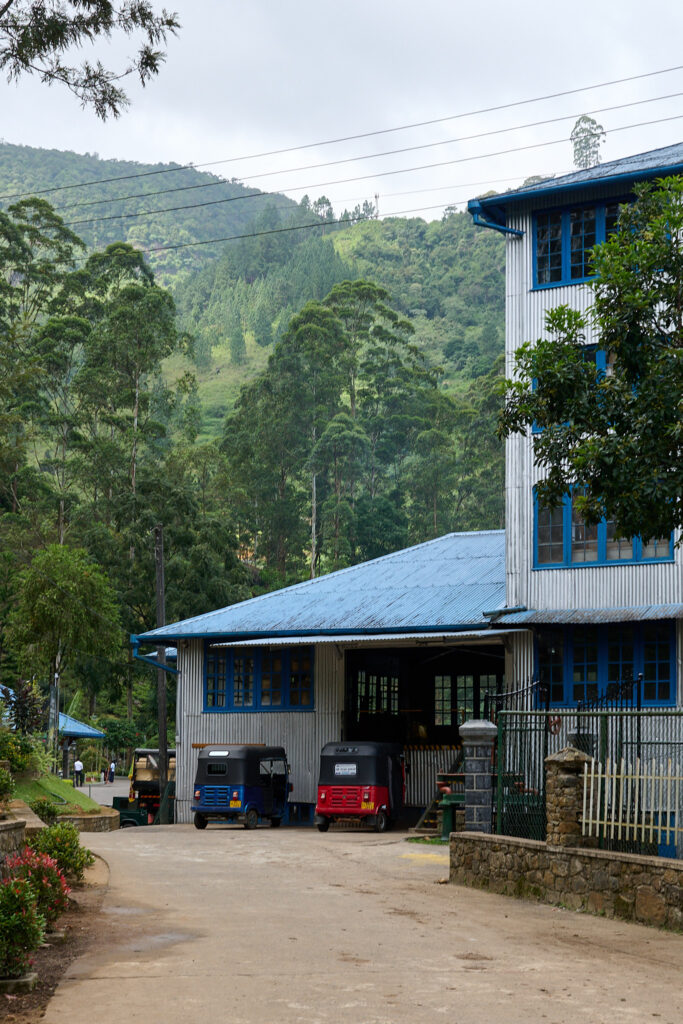
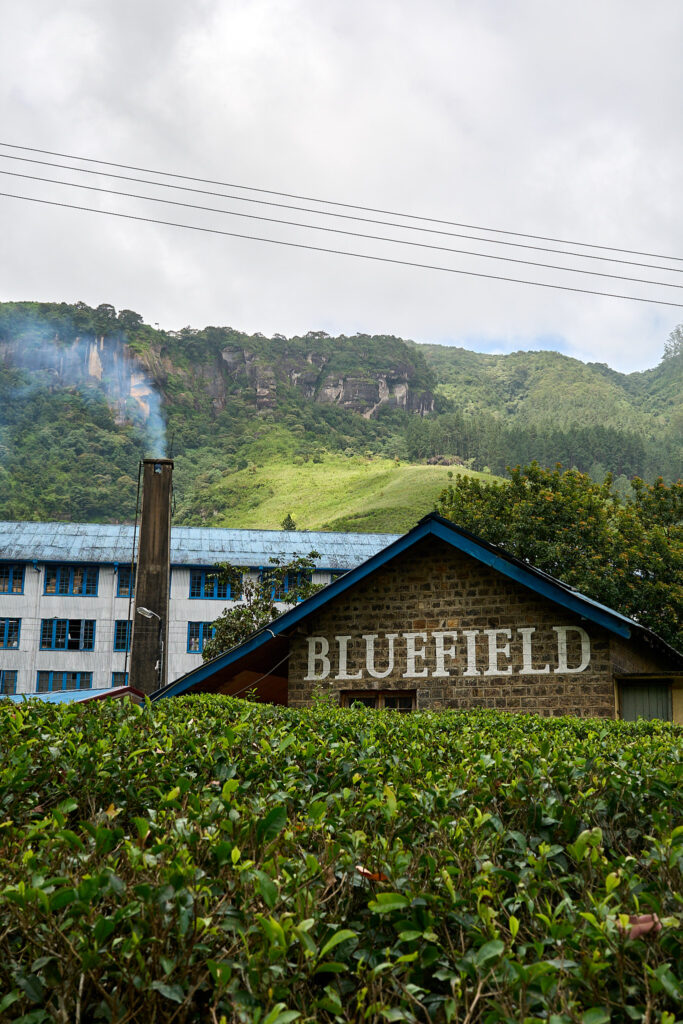
The highlands and tea areas of Sri Lanka are simply stunning, with terraced green hills reminding me of the terraced rice paddies of Sapa in Vietnam. Waterfalls stream out of the lush surrounds at almost every turn of the winding mountain roads.
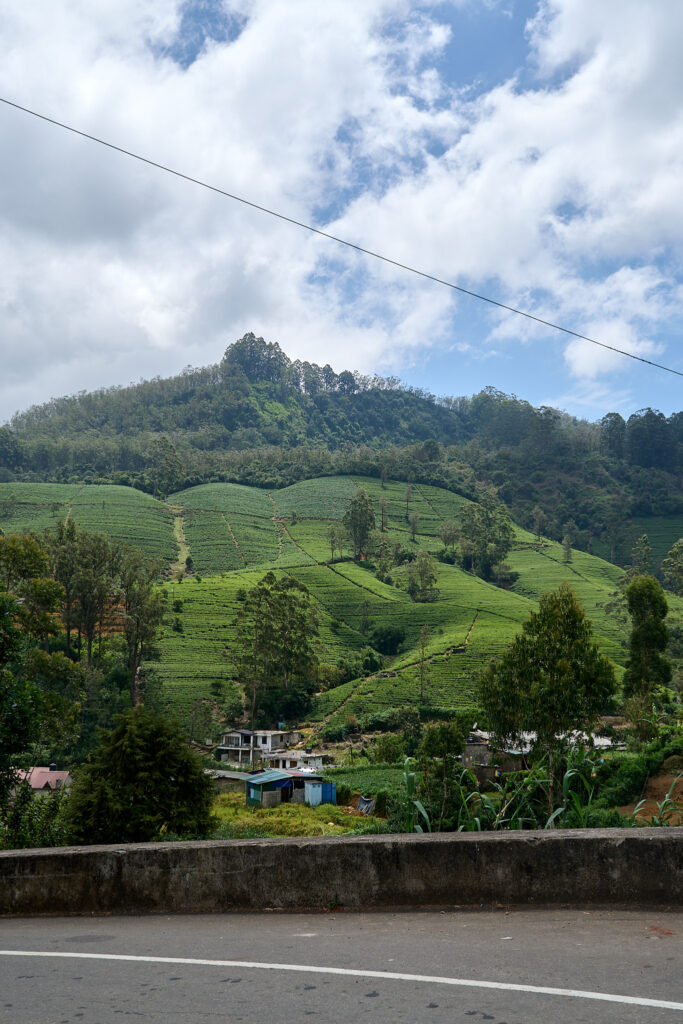
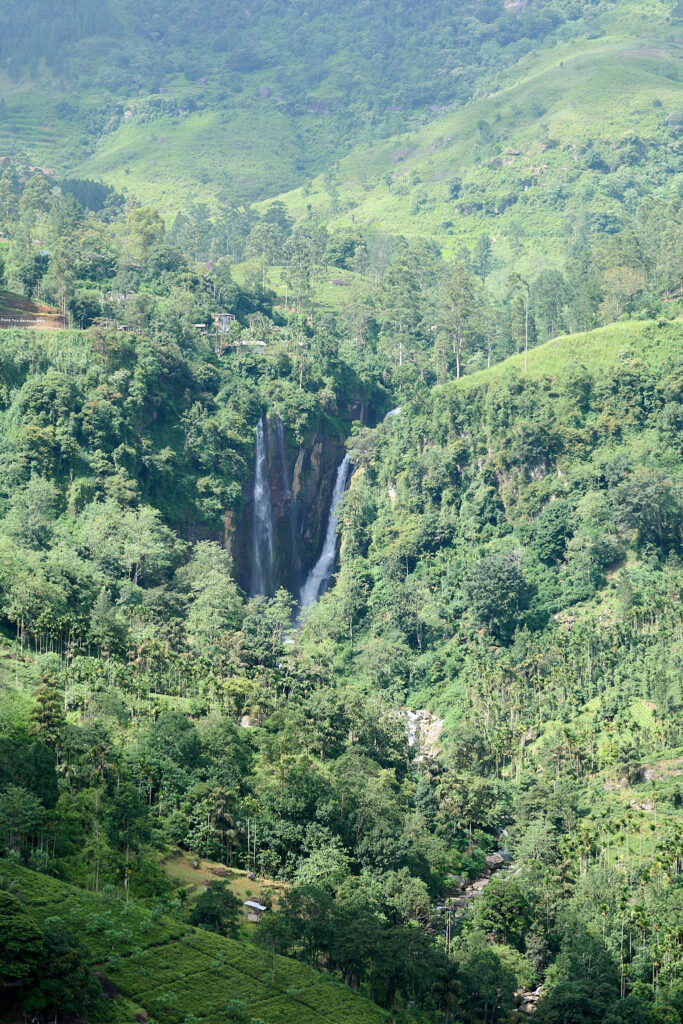
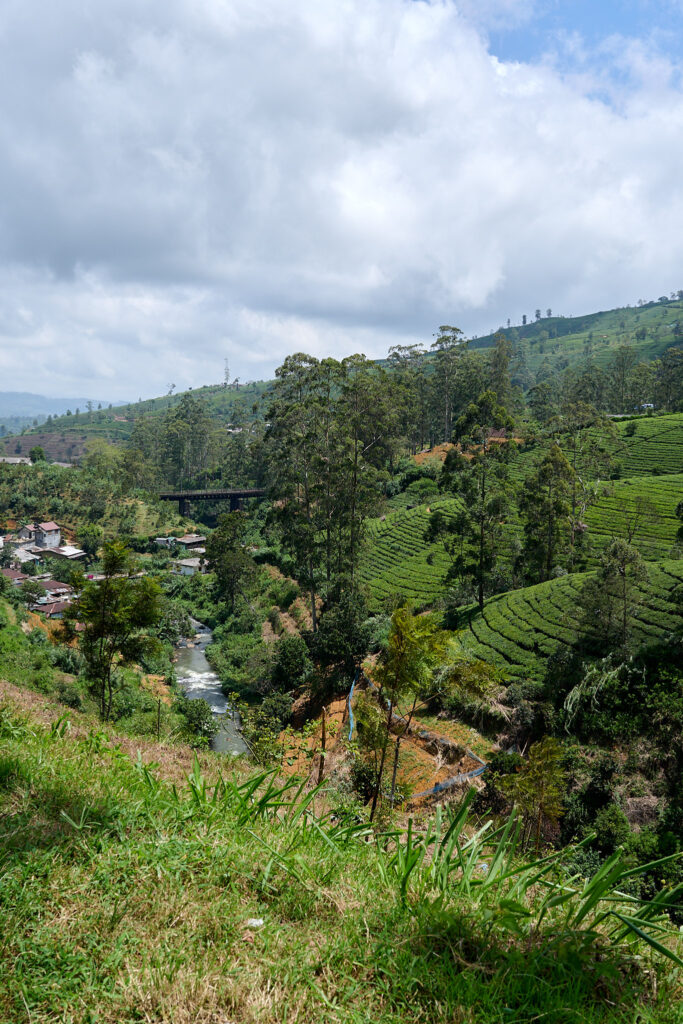
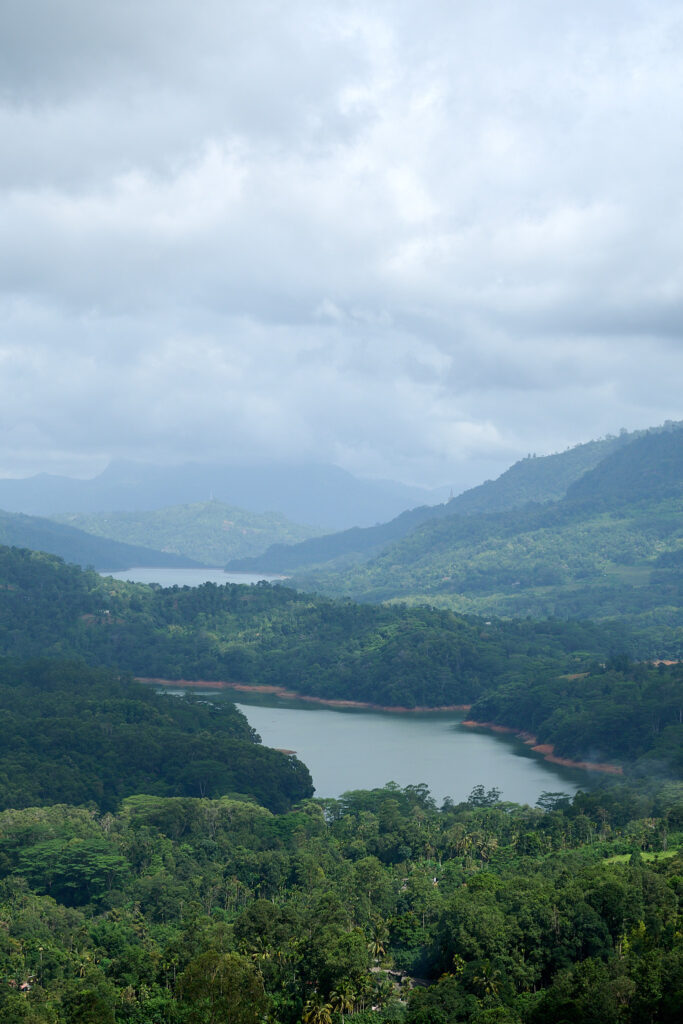
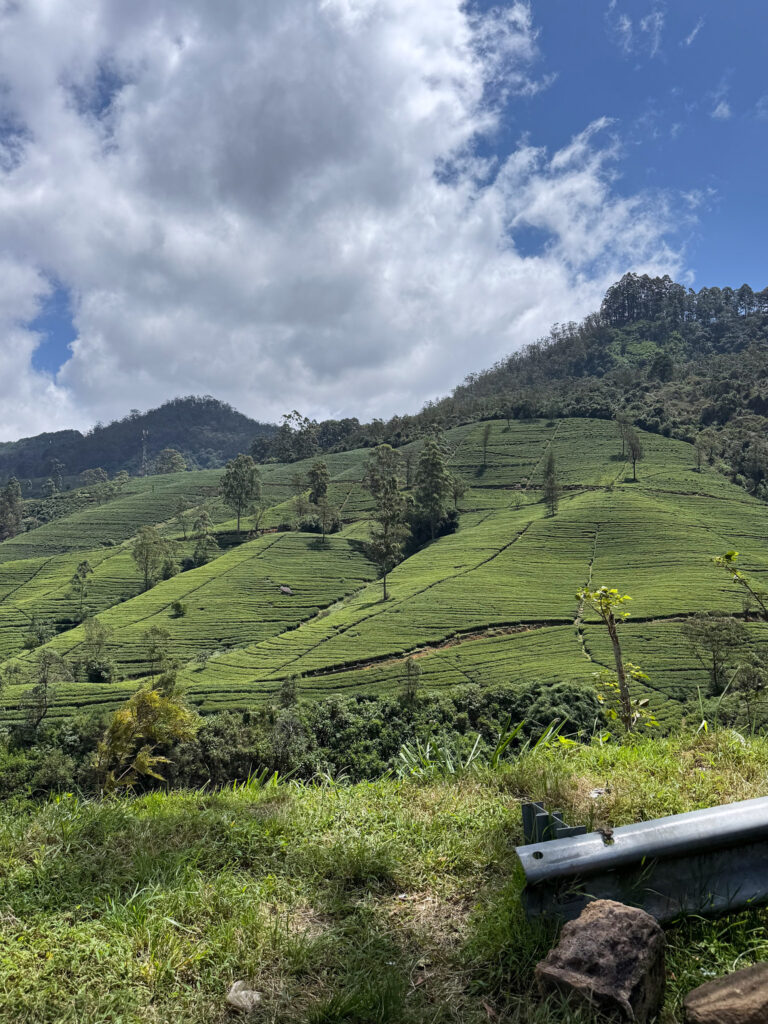
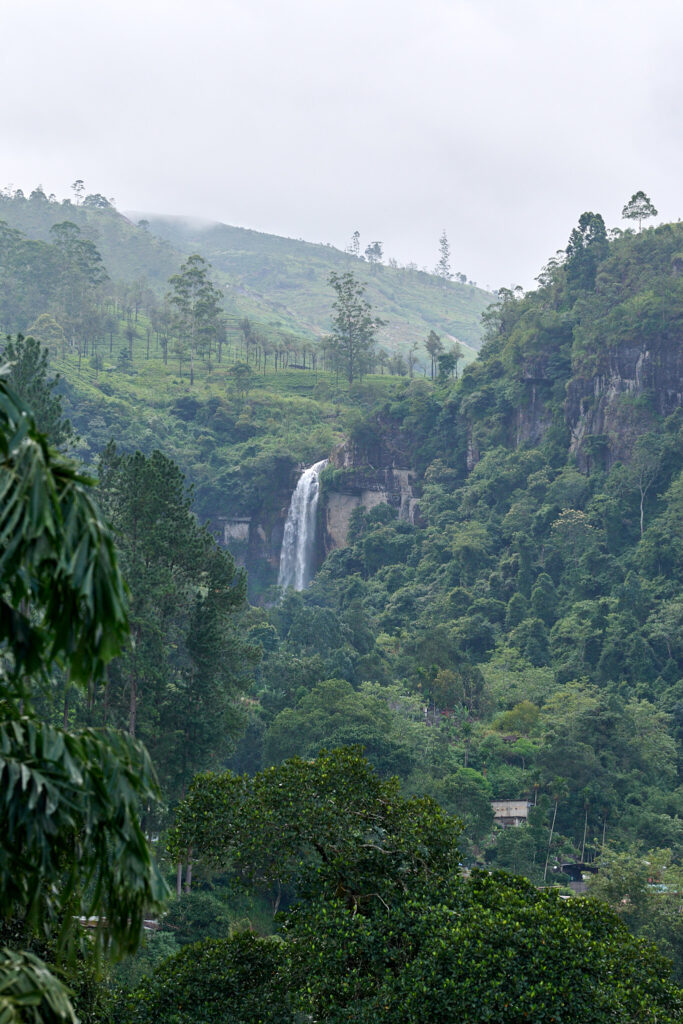
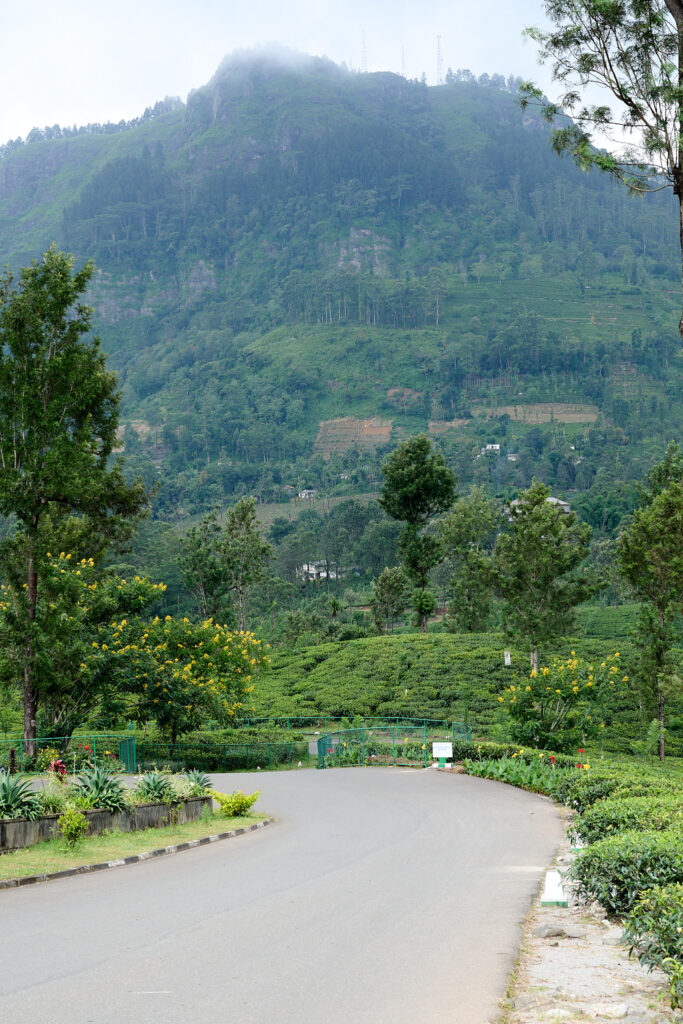
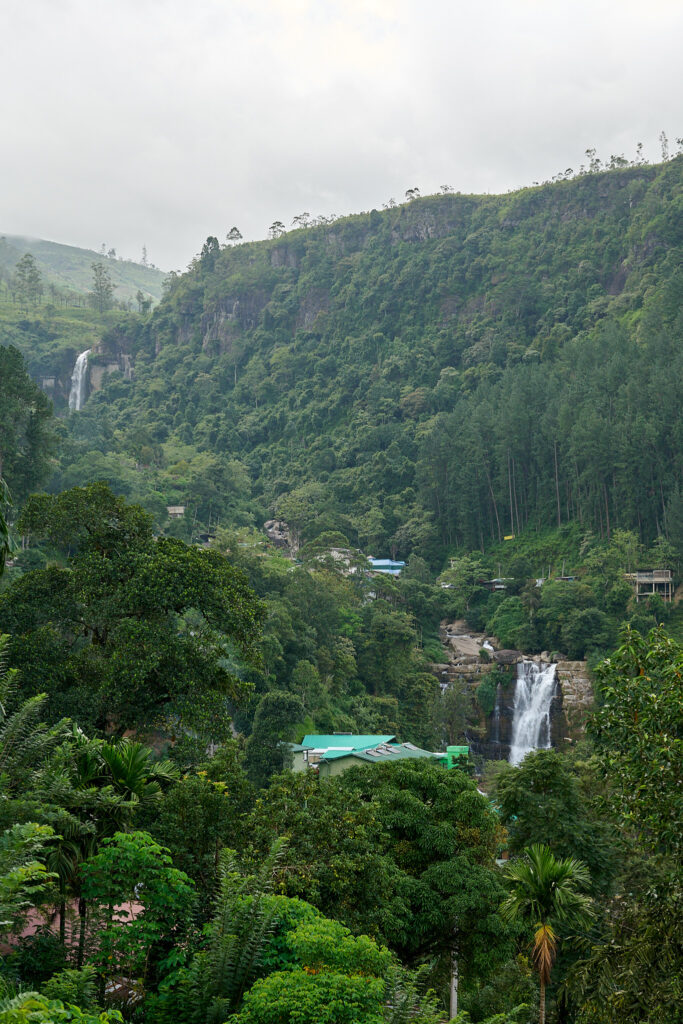
Sri Lanka’s tea industry, now world famous, was born out of crisis. In the late 19th century coffee plantations in the central highlands were devastated by coffee leaf rust, and planters began turning to tea as a replacement. Tea cultivation took hold quickly, importing plants and expertise from China and India, and by the 1880s it had become the country’s primary plantation crop. While the tea itself is celebrated globally, the industry has a complex and difficult history. Much of the labour force came from Tamil communities brought to the highlands during the colonial period, working long hours for low wages under strict hierarchies. Labour disputes and difficult living conditions have been persistent issues, and the human cost behind a cup of Ceylon tea is a sobering part of the story.
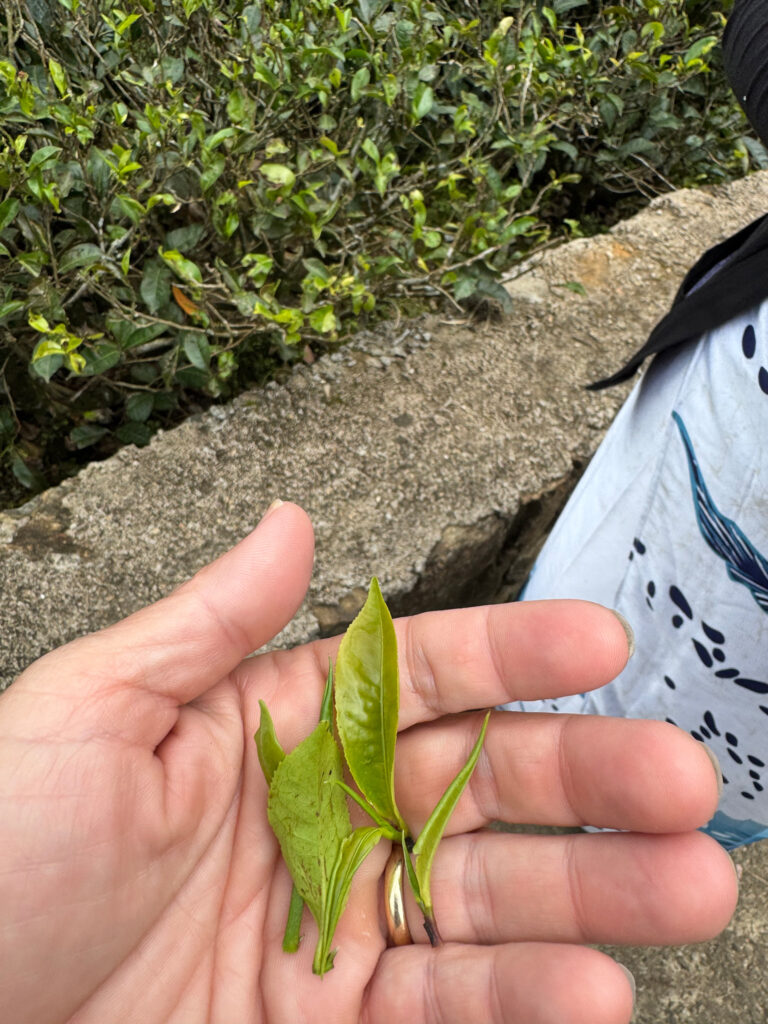
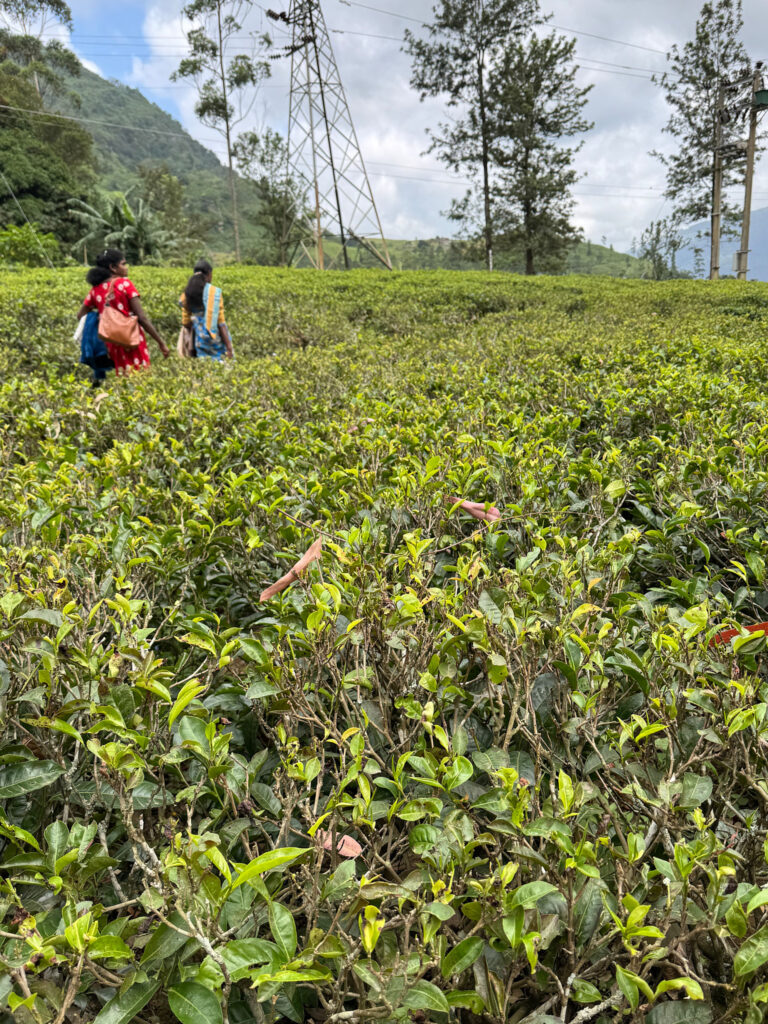
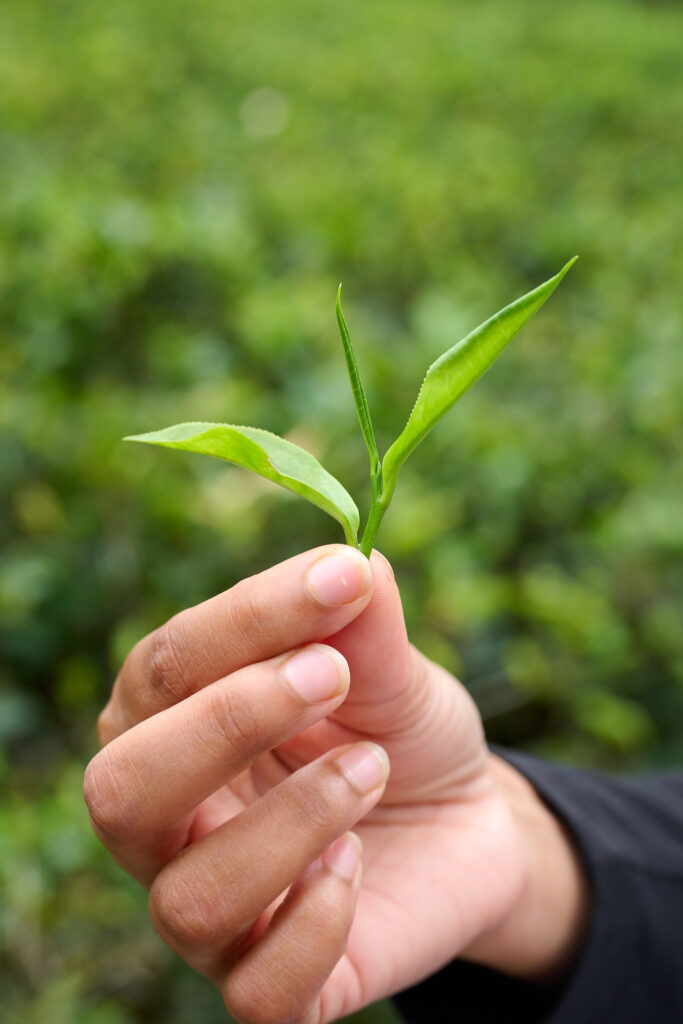
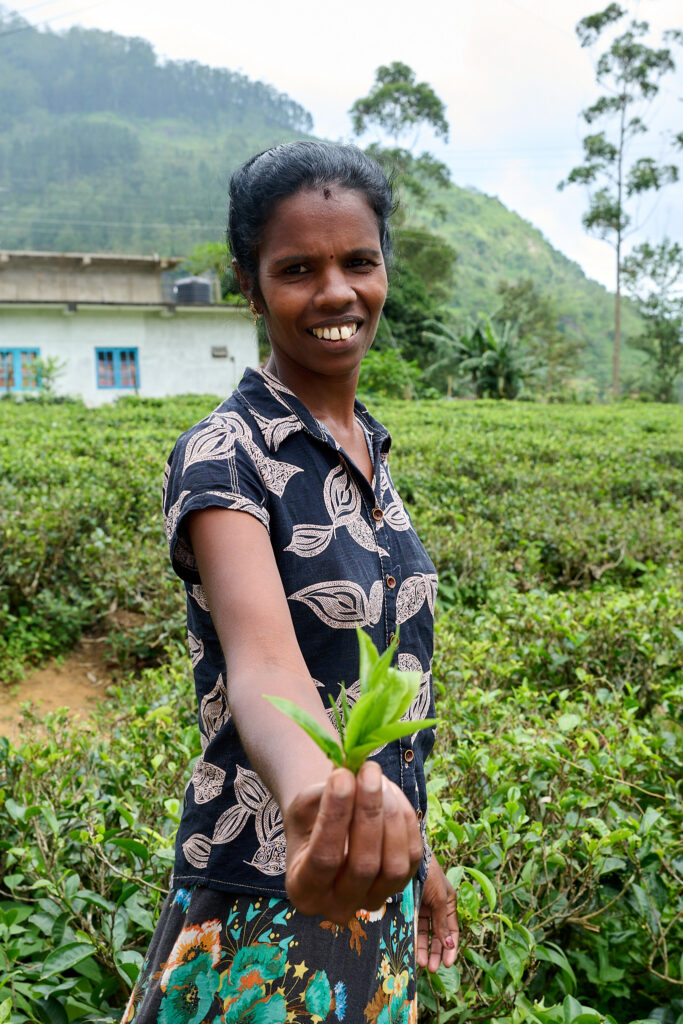
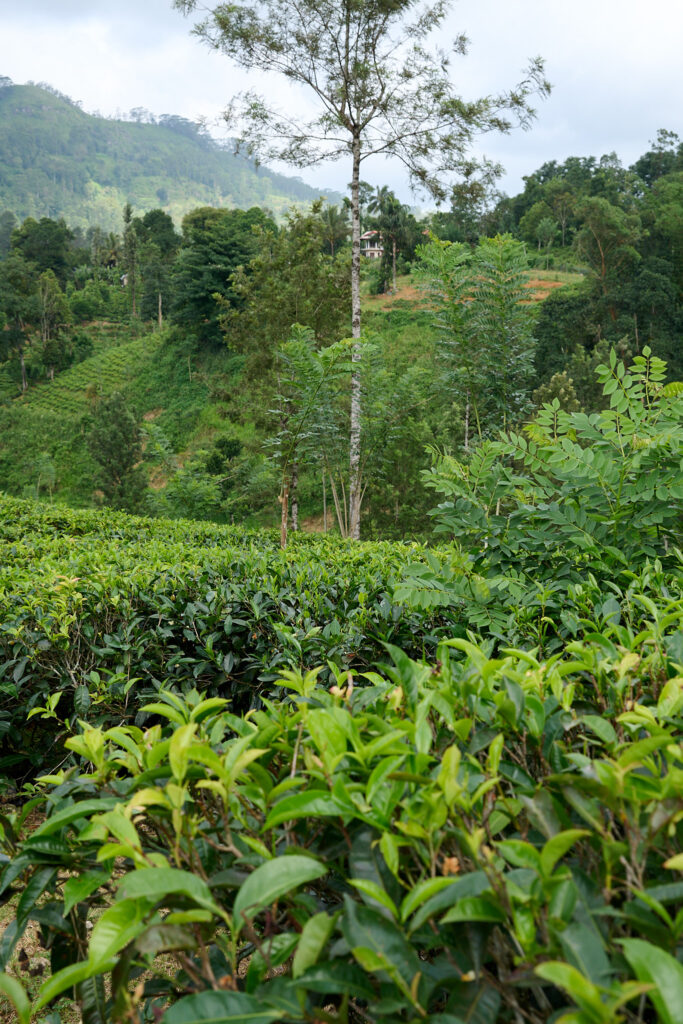
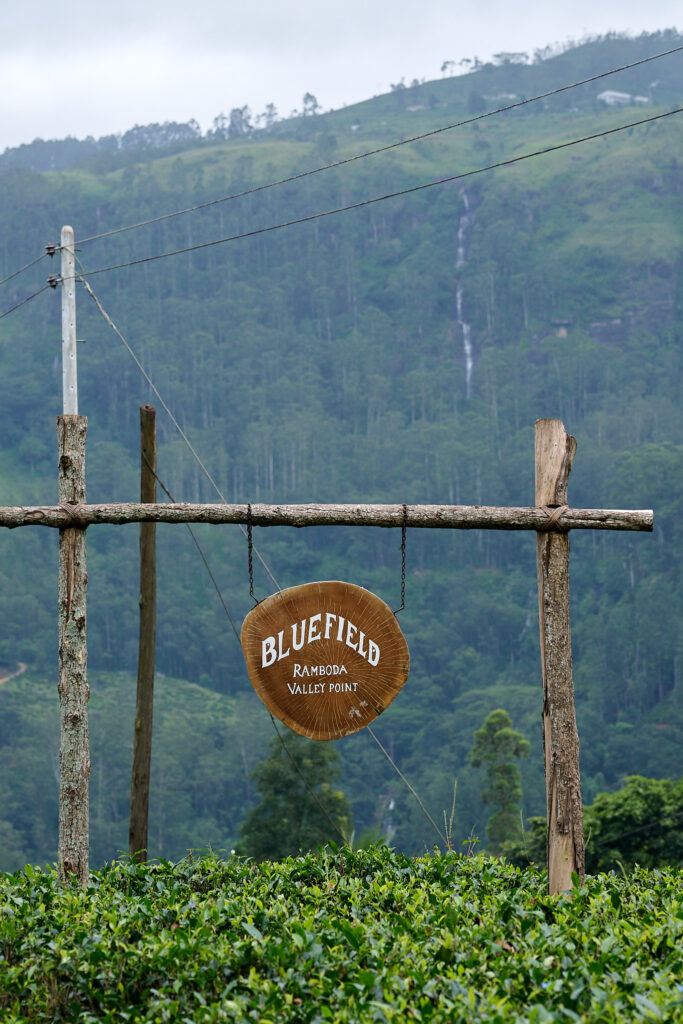
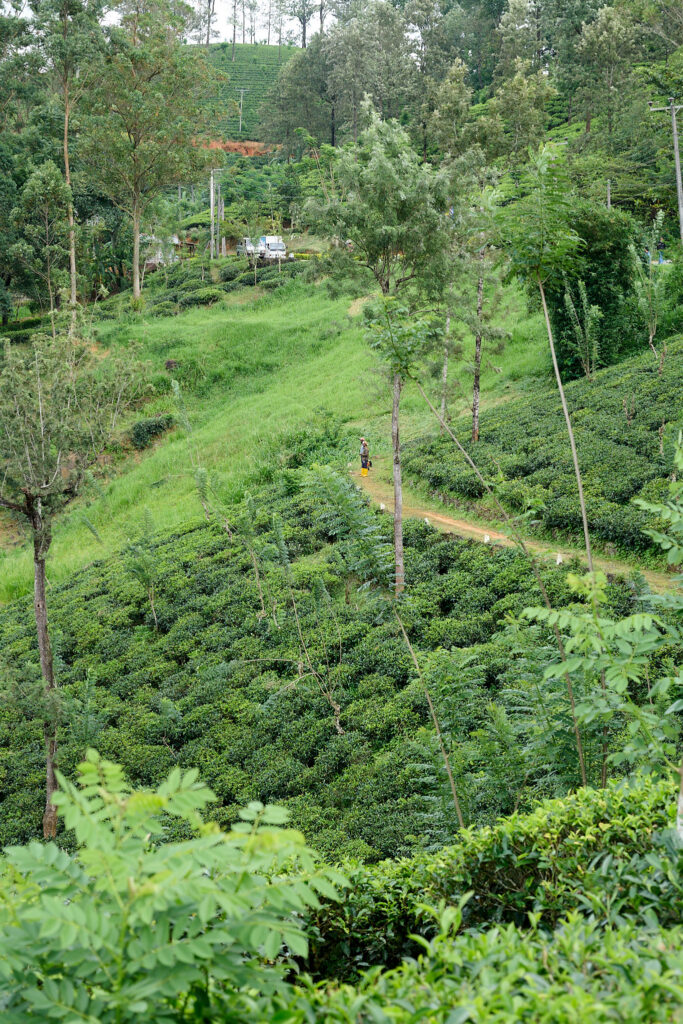
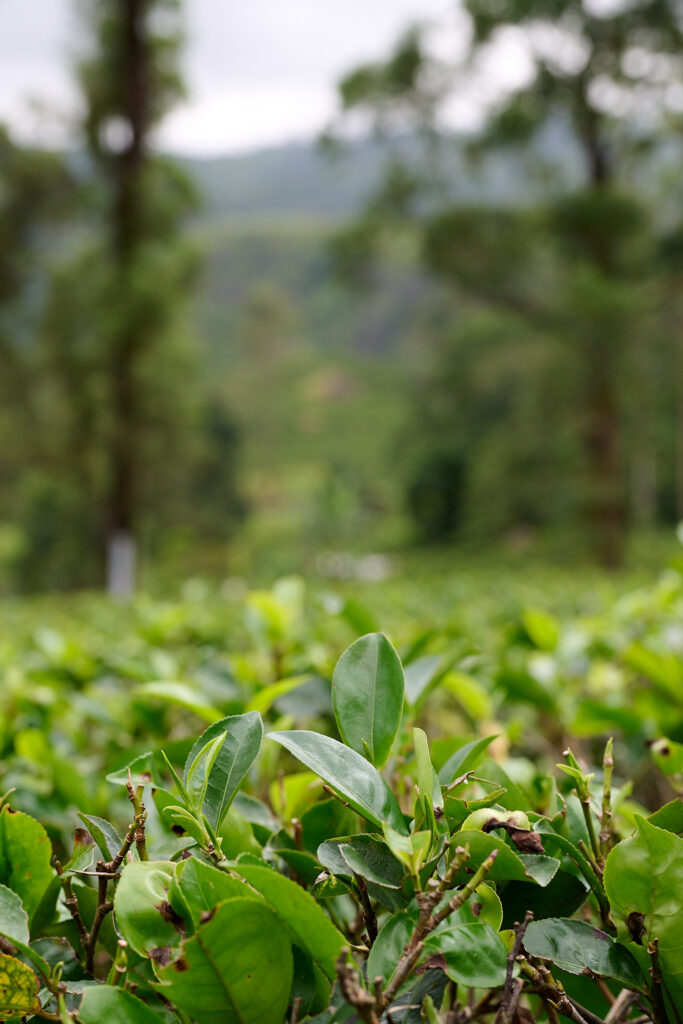
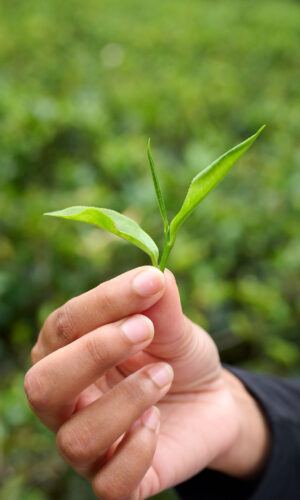
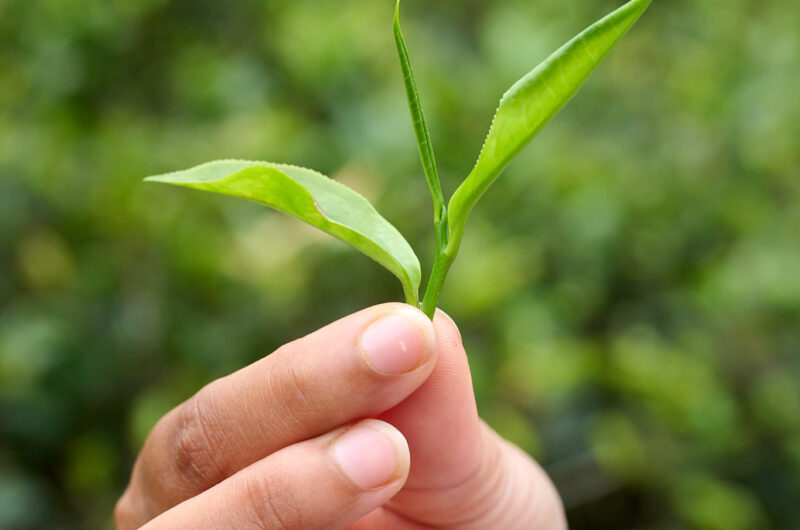
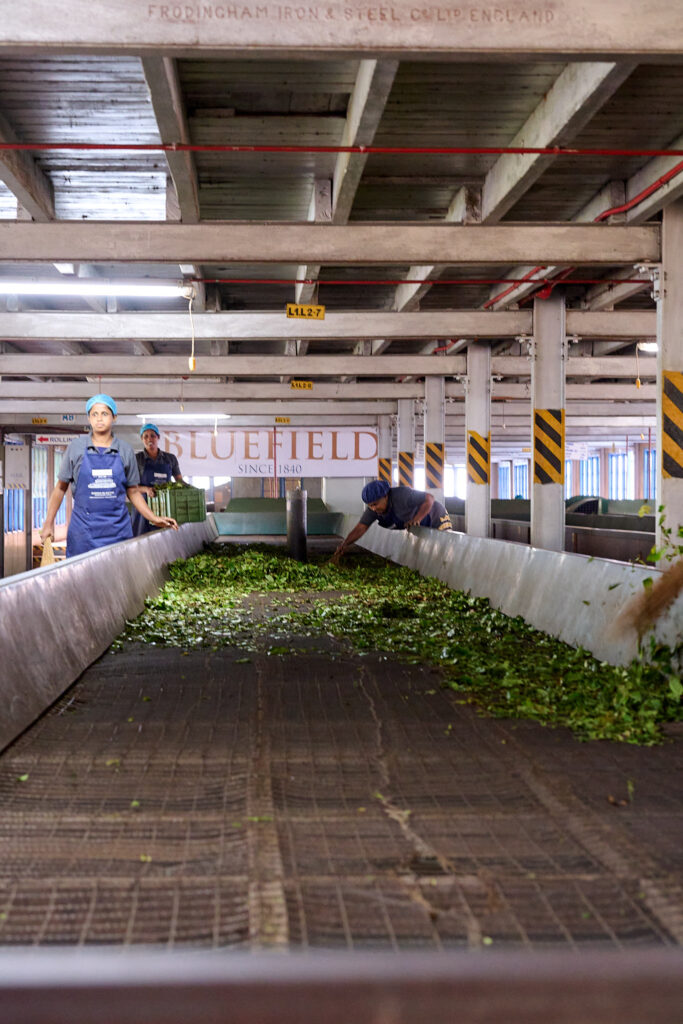
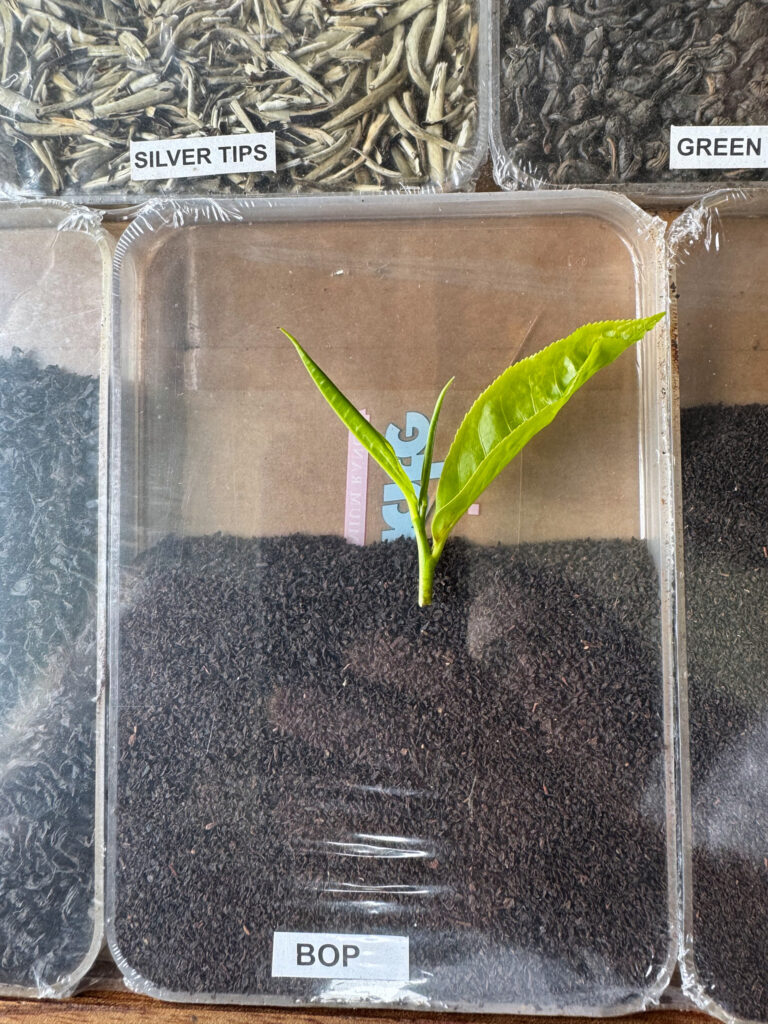
I personally don’t love tea for no good reason, but I was fascinated by the process. The different varieties were explained to us, from everyday black tea to the prized silver tips picked only from the newest buds. The leaves are gathered, then spread out to wither in long airy rooms before being rolled, oxidised and finally dried into the tea that ends up in cups around the world. Roughly four and a half kilograms of fresh leaves are typically needed to produce one kilogram of finished black tea, all handpicked and a reminder of how much careful work hides in that simple cup.
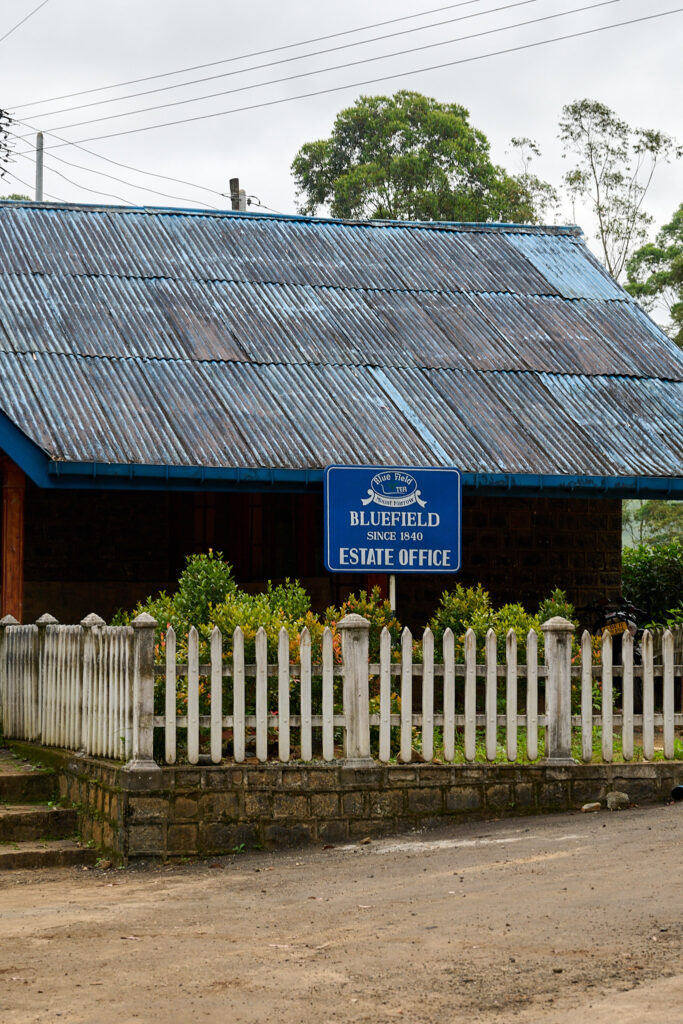
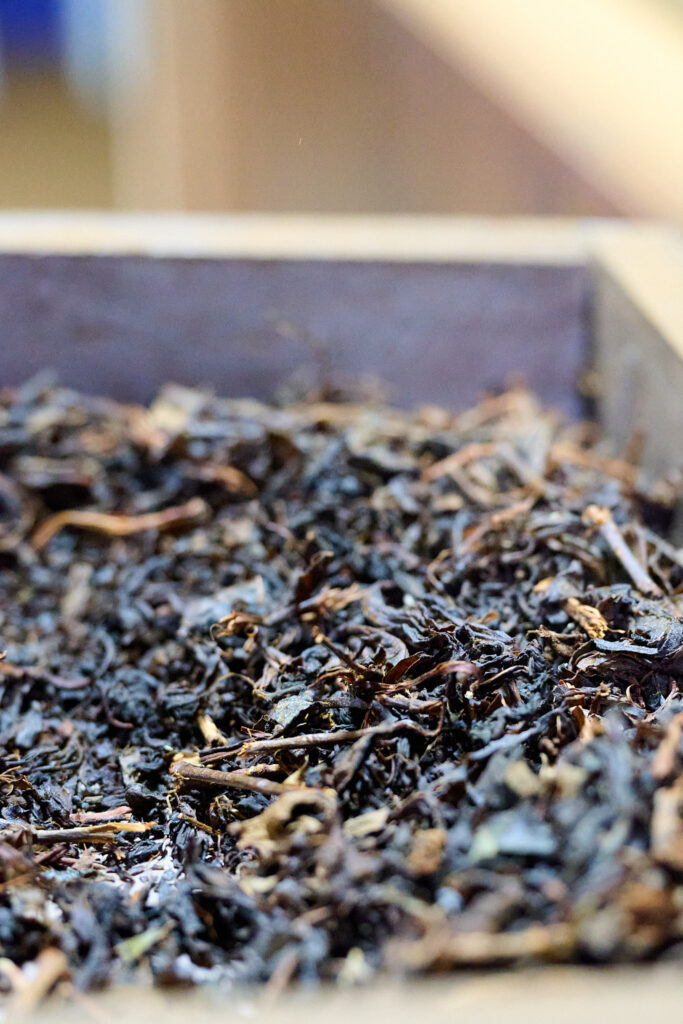
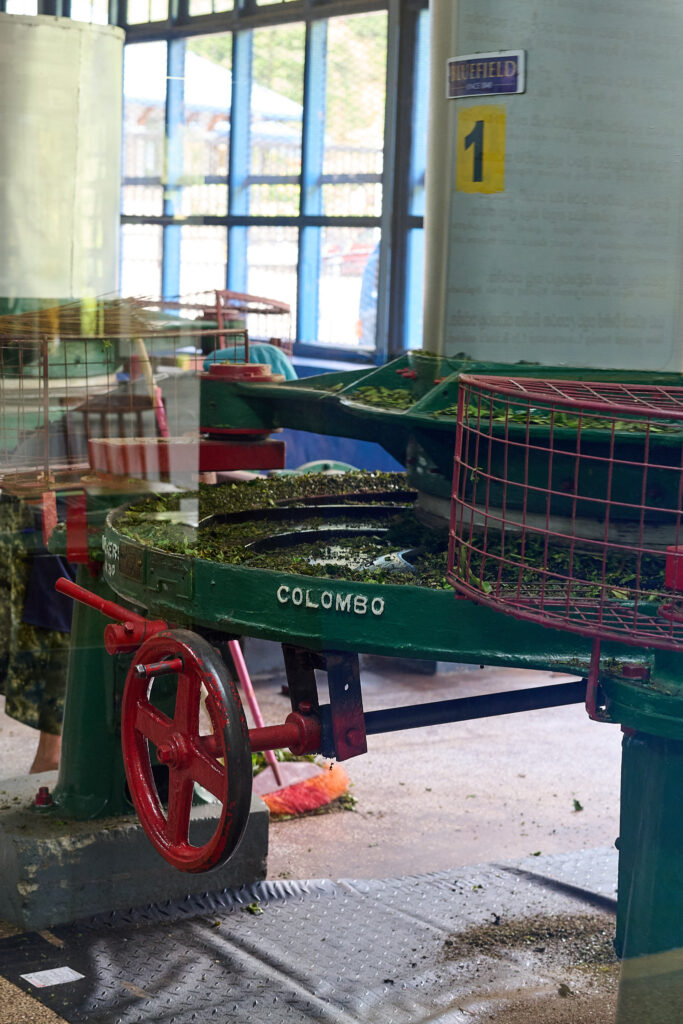
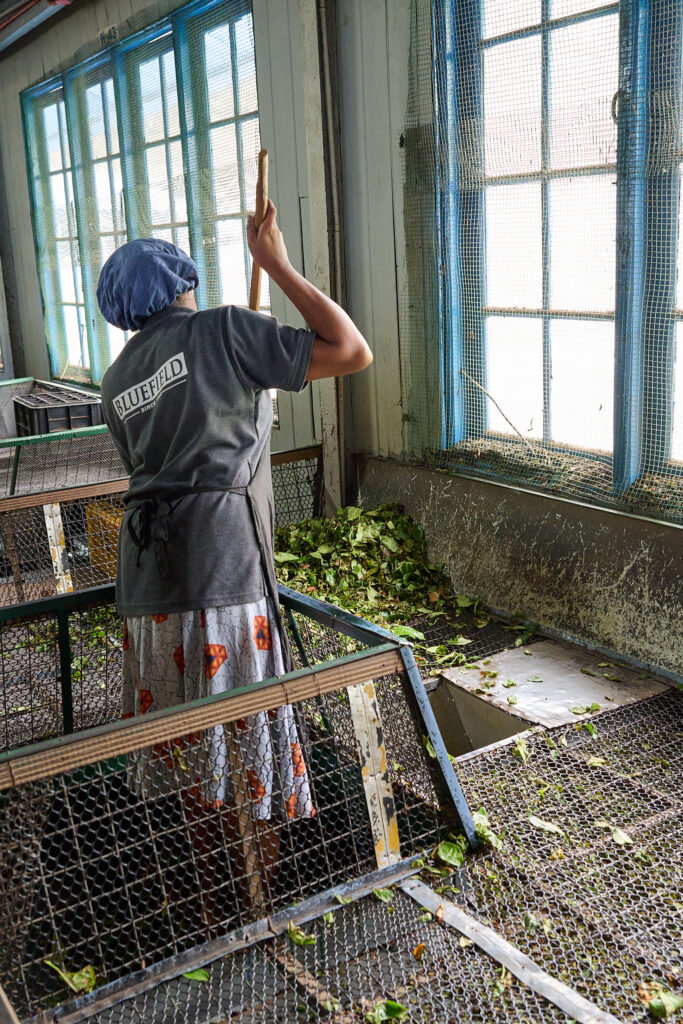
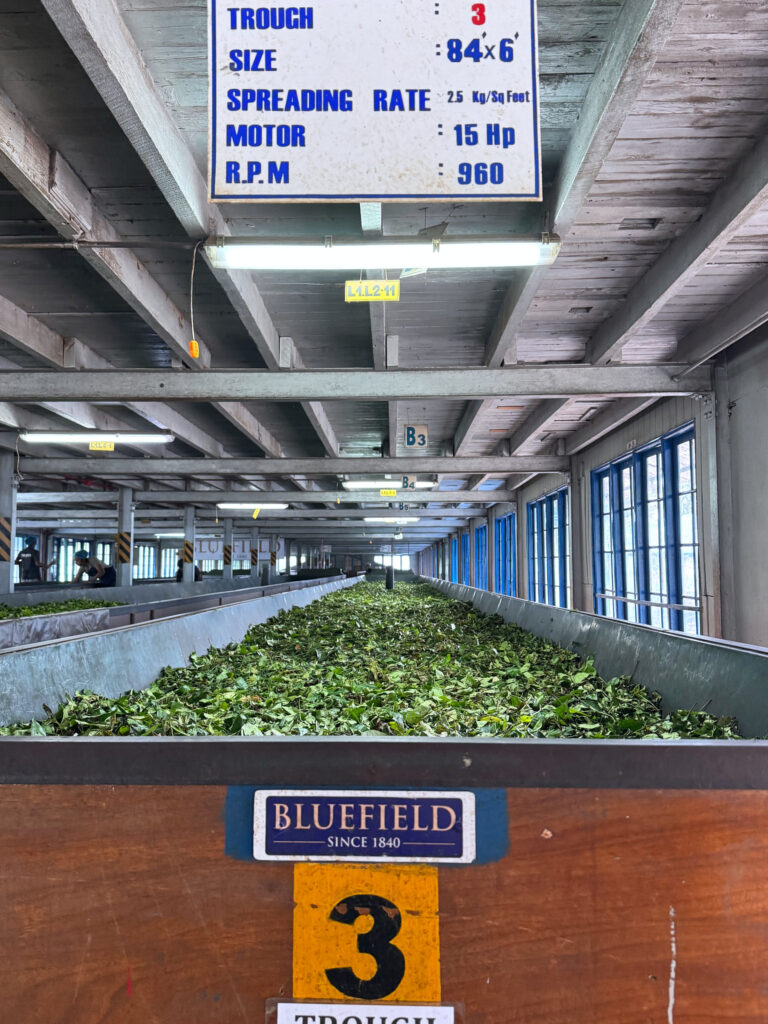
From the beautiful tea estates we drove up towards Nuwara Eliya, the old heart of the colonial tea stations. The town stretches wide across the hills, its gardens and heritage buildings still holding a sense of that era. With its cooler temperatures it remains a favourite escape for anyone wanting a break from the heat and humidity of the lower coastal regions. We were just passing through on to our next destination so did not have time to linger. Our journey continued along winding roads until we reached the train station, ready for the next part of our adventure.
This one was entirely my daughters idea and top of her list. Search Sri Lanka on social media and this train ride is everywhere, often called one of the most scenic in the world and a fair amount of drama included as apparently getting the perfect shot comes with some risks including whacking your head on tunnels that you didn’t see coming. I was very happy to go along, though middle age has its limits, and I would most definitely not be hanging out of a moving carriage with my hair whipping in the wind as is the trend.
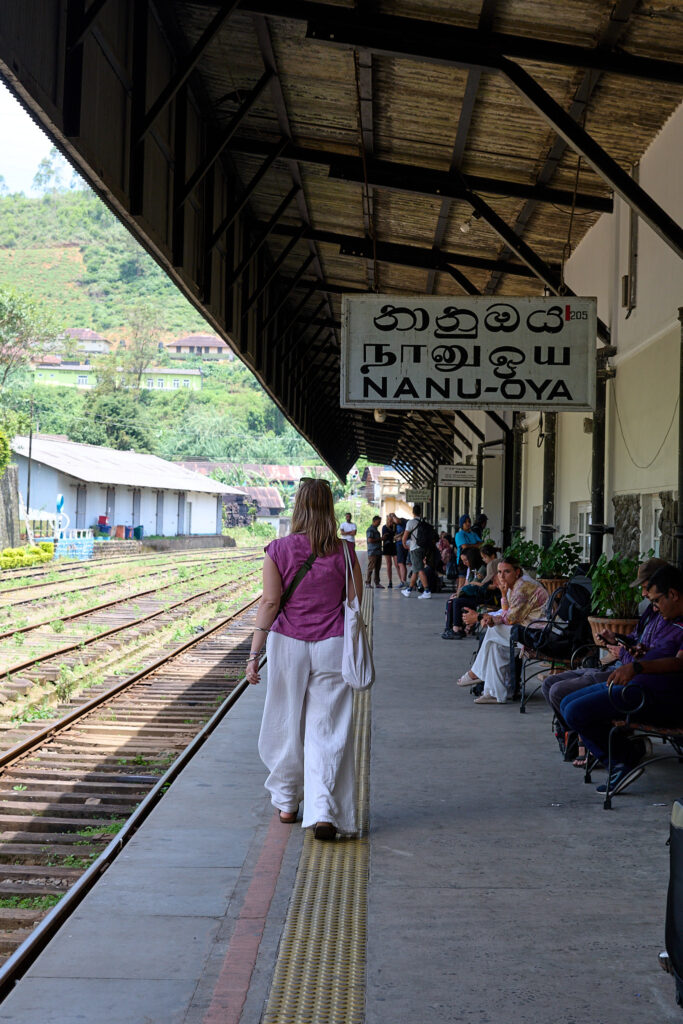
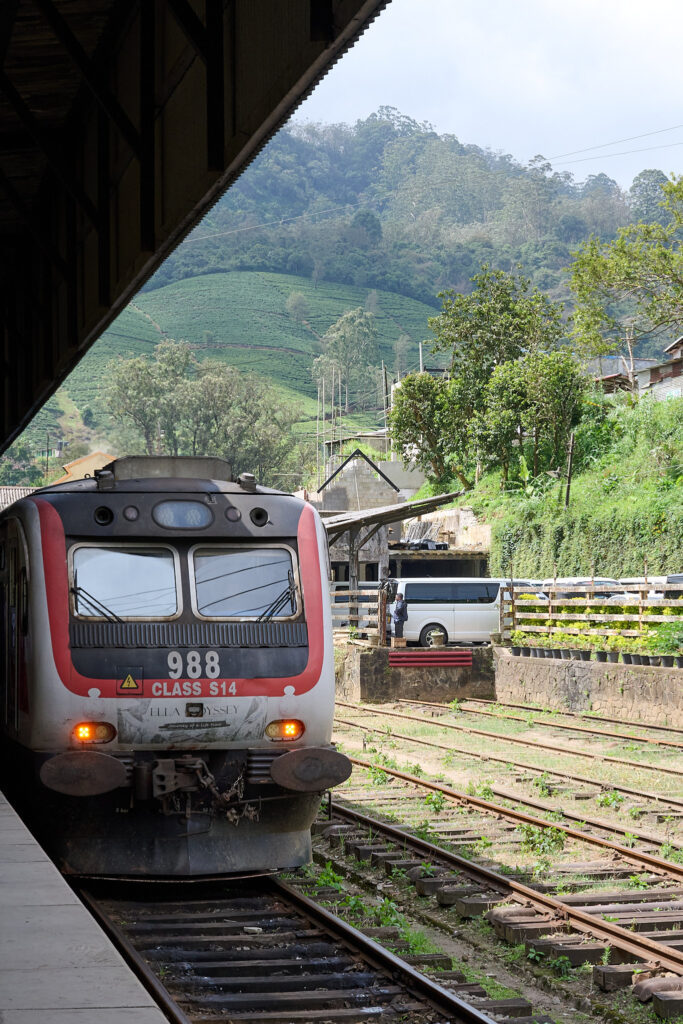
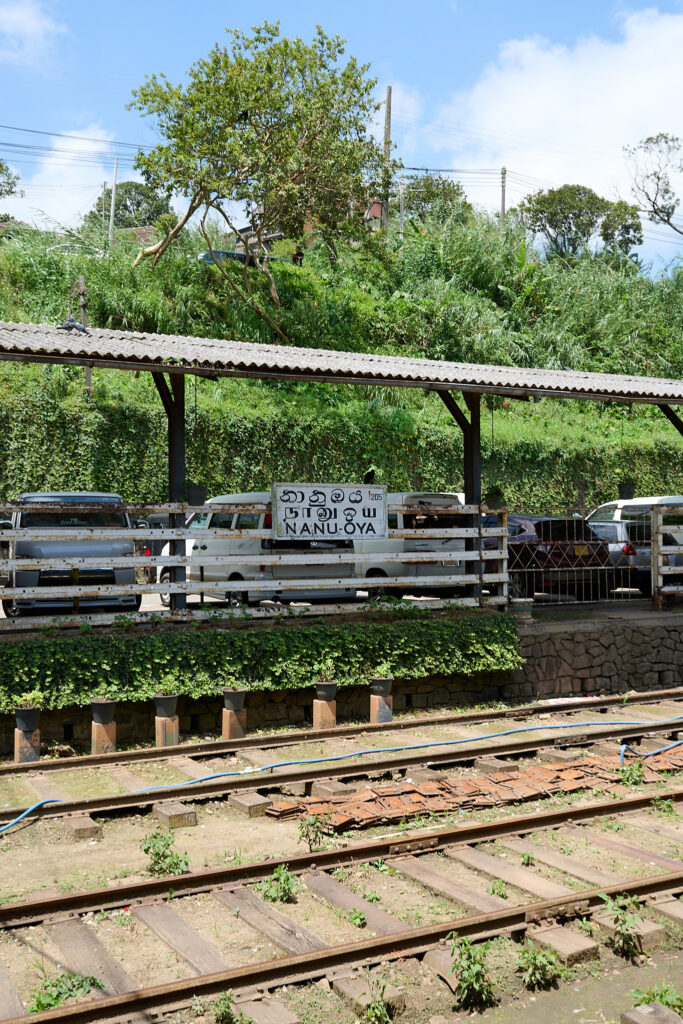
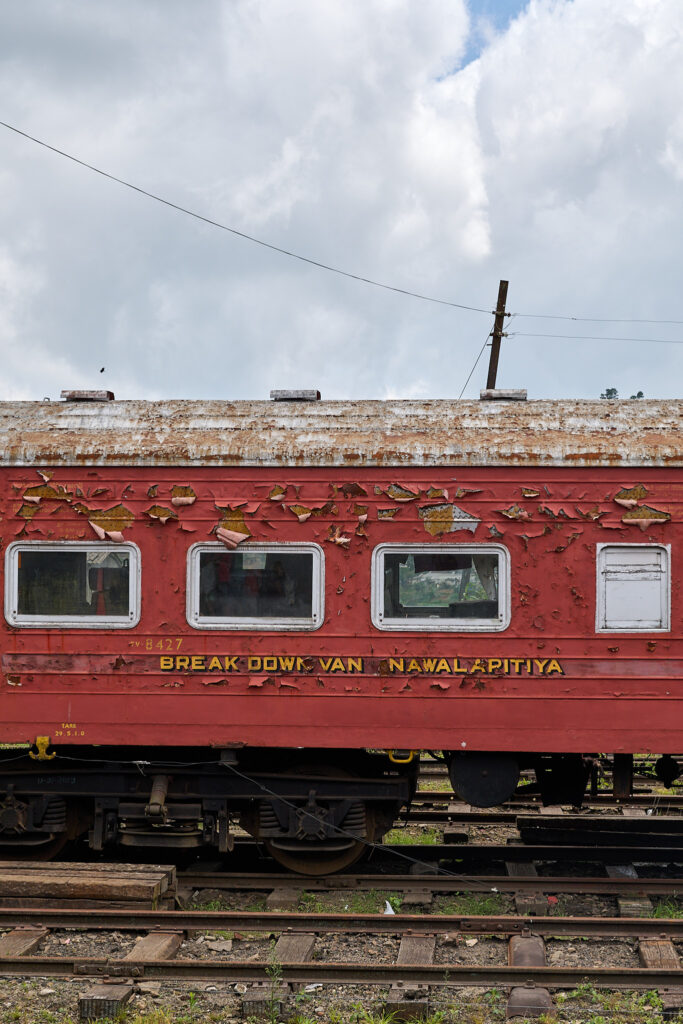
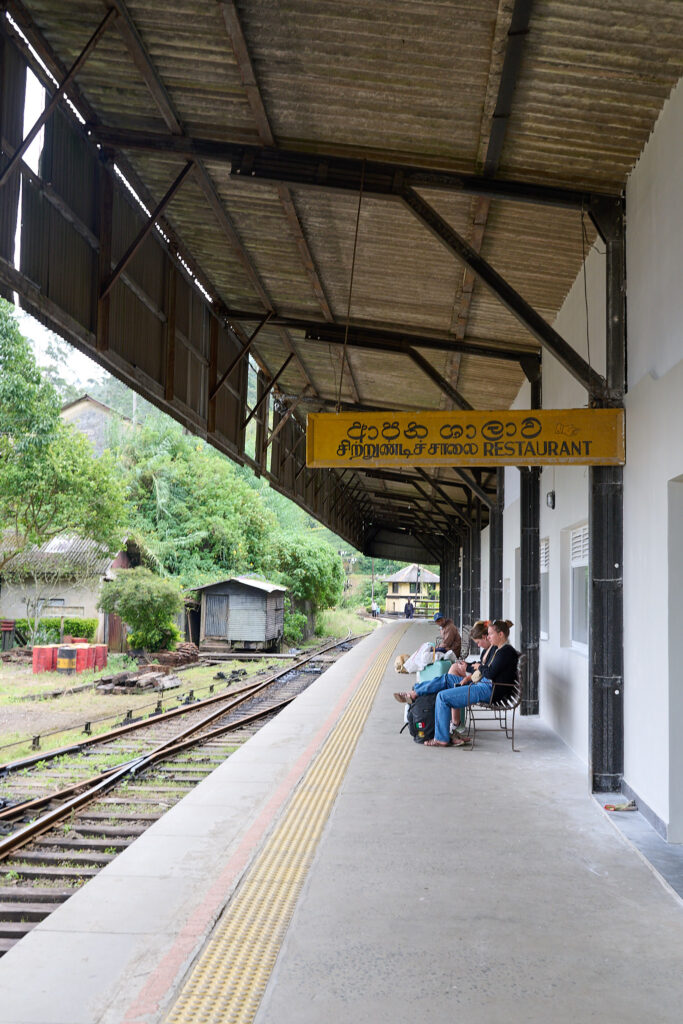
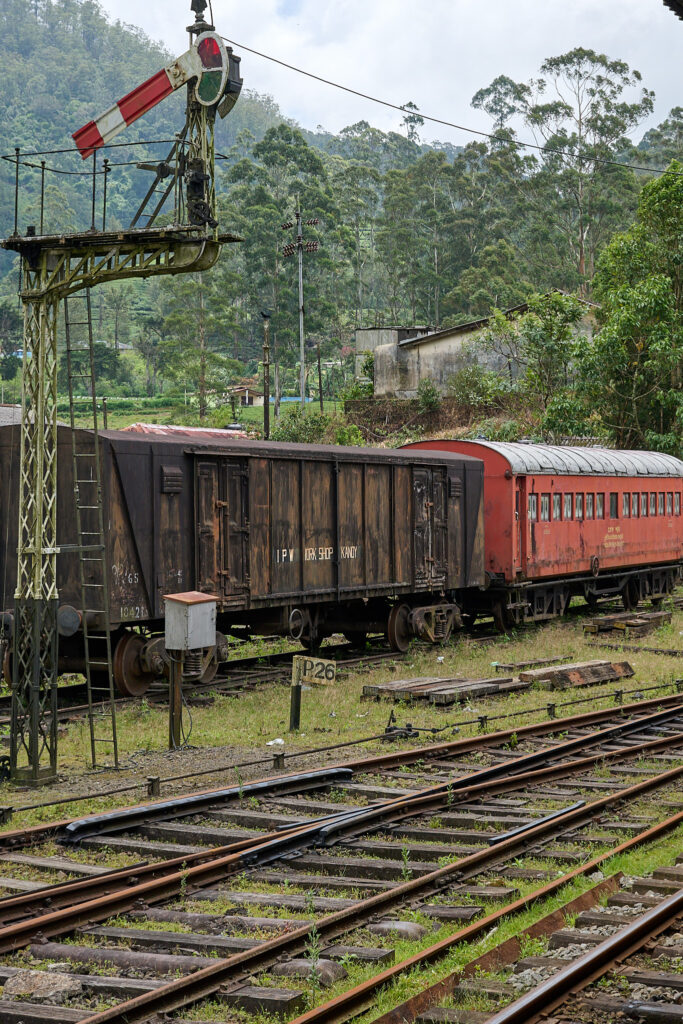
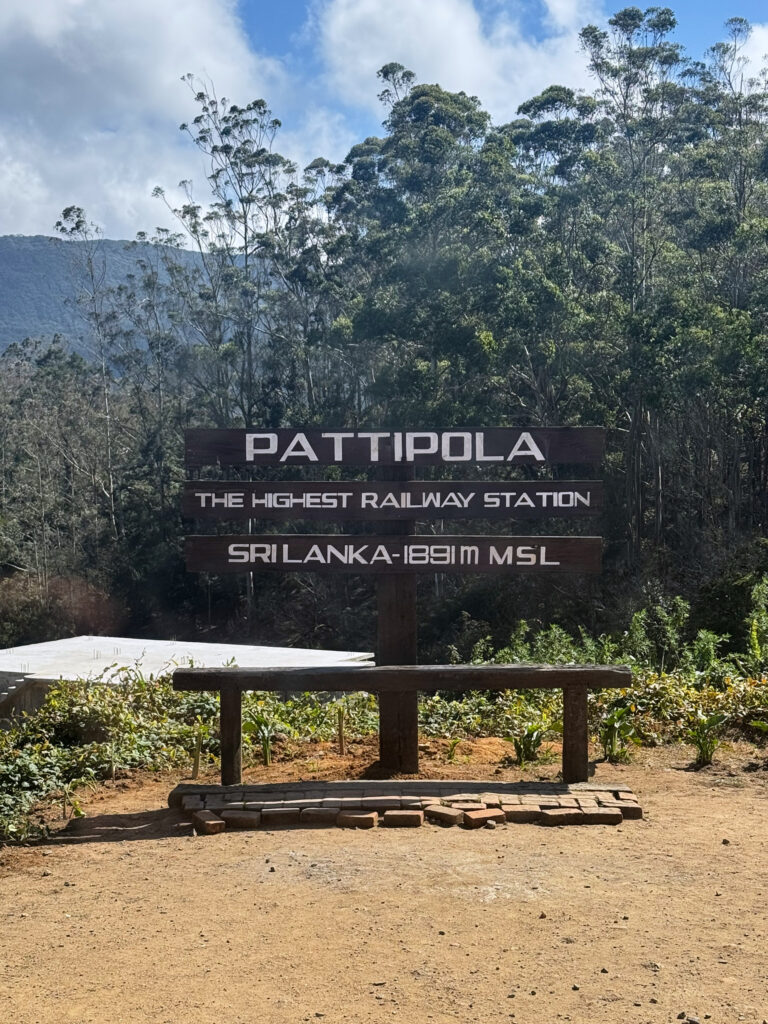
So there we were on a Saturday morning, sitting at Nanu Oya station waiting for the train. Judging by the throngs of tourists, we were not the only ones taking the light, curated version of the real journey which runs from Kandy to Ella, hopping on nearer to Ella with only about two and a half hours to go. Turns out trains in Sri Lanka run on their own time and at their own pace. We spent a very enjoyable two hours waiting on the platform for a train that was first twenty minutes late, then thirty, then an hour and a half.
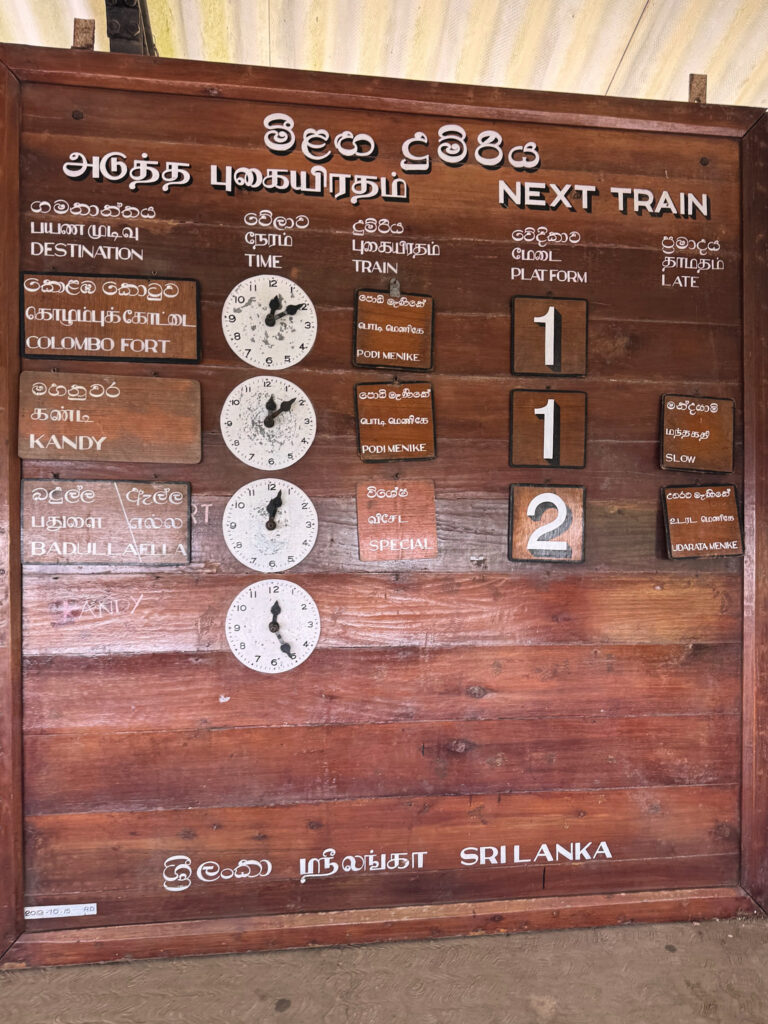
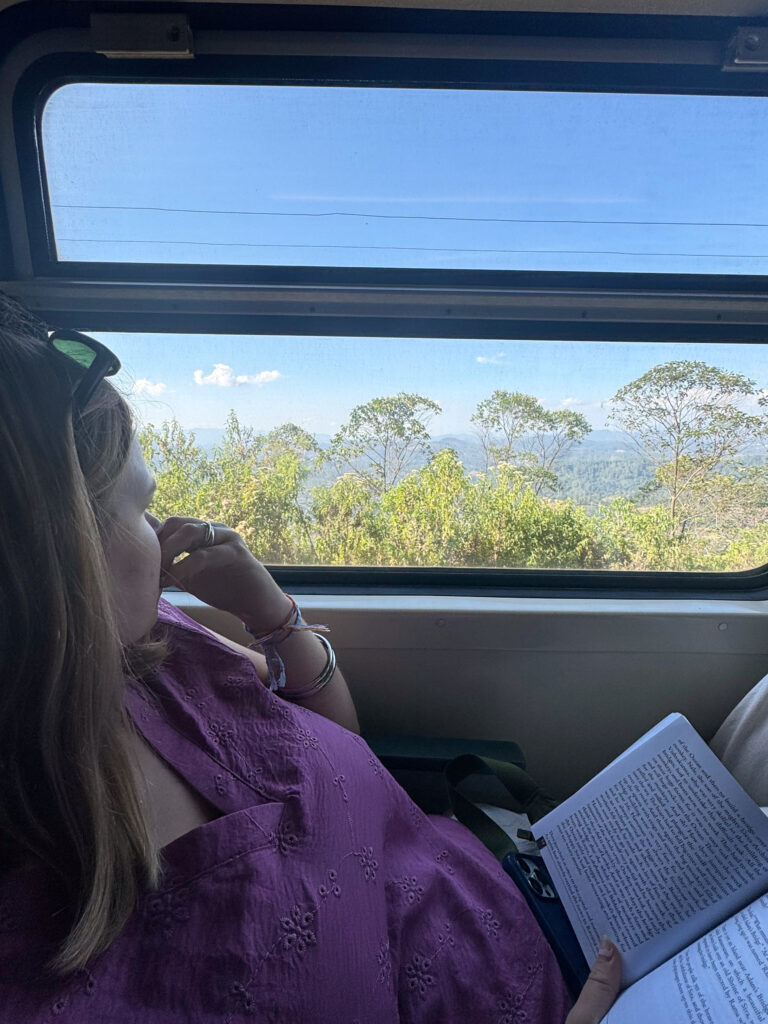
I love train journeys. None of the formalities of airports and none of the stress. Just time to watch the world go by, traffic come and go, and enjoy a lovely chat with our neighbours from Mumbai about world politics, the Ramayana Trail, cricket (as a South African who shamefully knows very little about the current state of our nations cricket the conversation was short), and, to our benefit, shared snacks lovingly packed and sent from home. Apparently no good mother would let you travel without them.
When the train eventually arrived, we found ourselves with seats facing the wrong way until our neighbour pointed out that you could change the seat direction by pushing down a small pedal that swivelled the whole bench. Fantastic. The samosas and chai for sale by passing vendors were delicious, the windows dusty, and the doors crowded with Instagrammers waiting for the perfect shot. We watched the green hills rolling by through the dusty windows and just enjoyed the moment. No hanging out of moving carriages, no jumping on and off, just content with our thoughts and with the growing realisation that what you see on the internet is not always representative of reality.
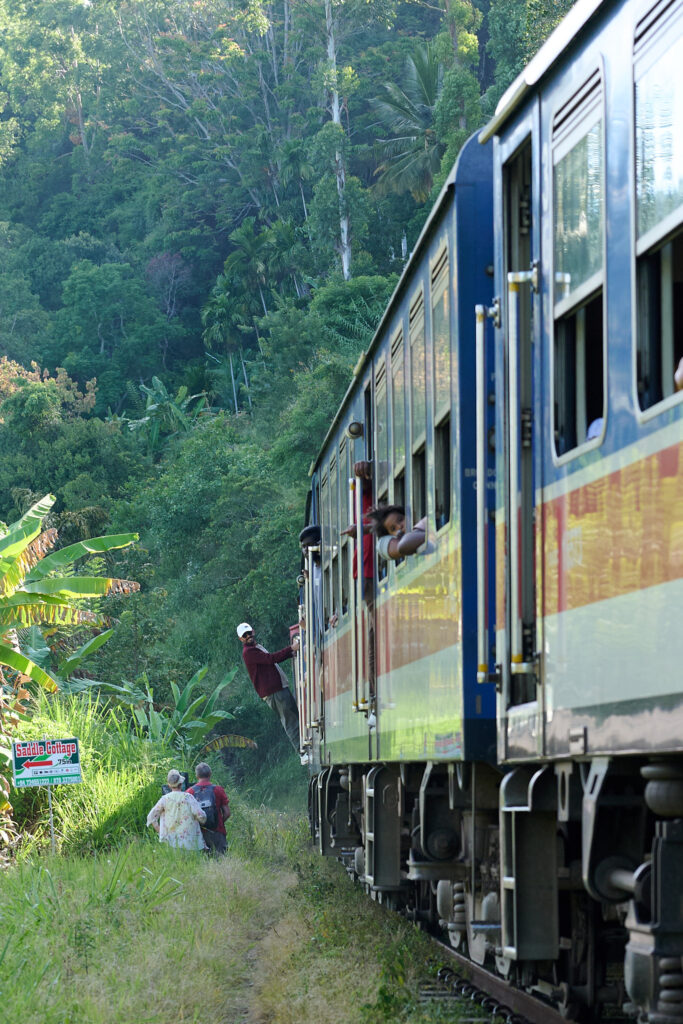

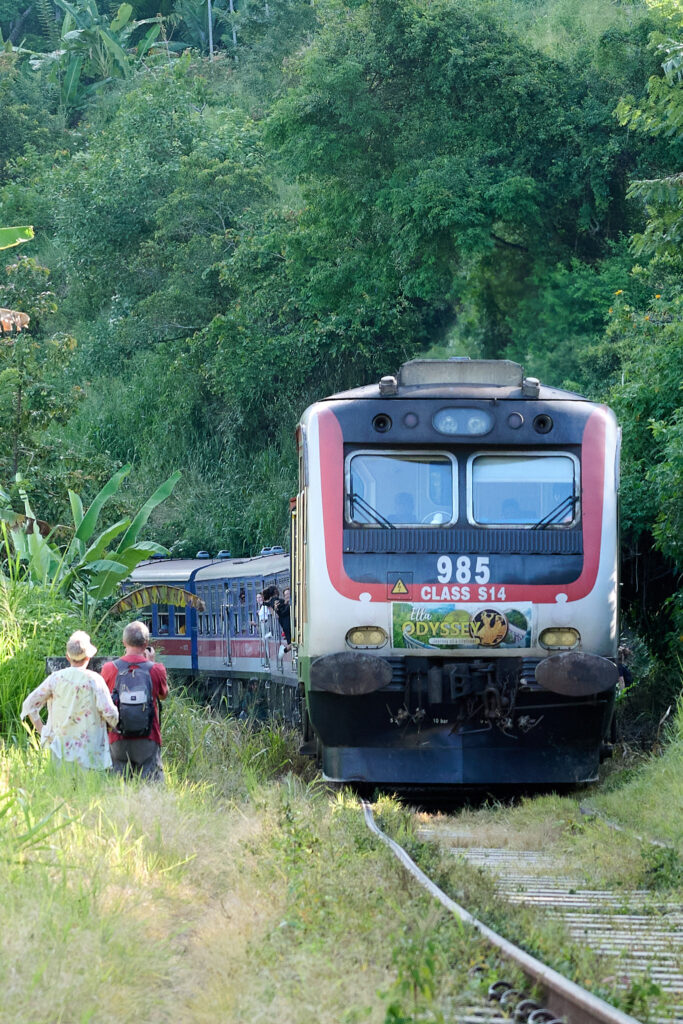
We arrived in Ella and made our way up to a homestay on the hill, a simple place with a wide view over the valley. Through the night we heard the occasional train pass below, a steady reminder of our journey earlier. The next morning we walked into town along the tracks, passing temple dogs and roadside shrines, stepping aside every now and then for a slow moving train. A few travellers still leaned out of the doors for that iconic photo.